PONO PATH PROGRAMS
Explore Our Offerings
Facility Programs
Learn more about our trauma-informed yoga and mindfulness programs offered within three Oahu correctional facilities, created in partnership with the State of Hawaii Department of Corrections and Rehabilitation.
Mindful Curriculum
Discover how our curriculum weaves together yoga, mindfulness, and cultural grounding to support healing, accountability, and long-term transformation.
Class Photo gallery
Check out some snapshots of our program!
Oahu Community Correctional Center
We bring trauma-informed yoga and mindfulness education directly to the Oahu Community Correctional Facility, focusing on emotional regulation and resilience for those navigating short-term transition and re-entry.
Waiawa Correctional Facility
At Waiawa, we integrate holistic mindfulness practices with physical movement, providing a therapeutic outlet that supports rehabilitative goals and emotional healing for every participant as they prepare for reintigration.
Halawa Correctional Facility
Deepening the practice within high-security environments, our program at Halawa helps individuals develop a consistent internal practice, fostering a sense of peace and personal autonomy despite high-stress physical constraints.
Additional Programs
As we grow, we are actively looking to partner with more programs, ensuring that everyone, regardless of their circumstances, has access to the tools needed for personal development.
Mindful Curriculum
Our curriculum is tailored for correctional environments, focusing on the intersection of trauma-informed yoga, emotional regulation, and community reintegration.
1. Yama
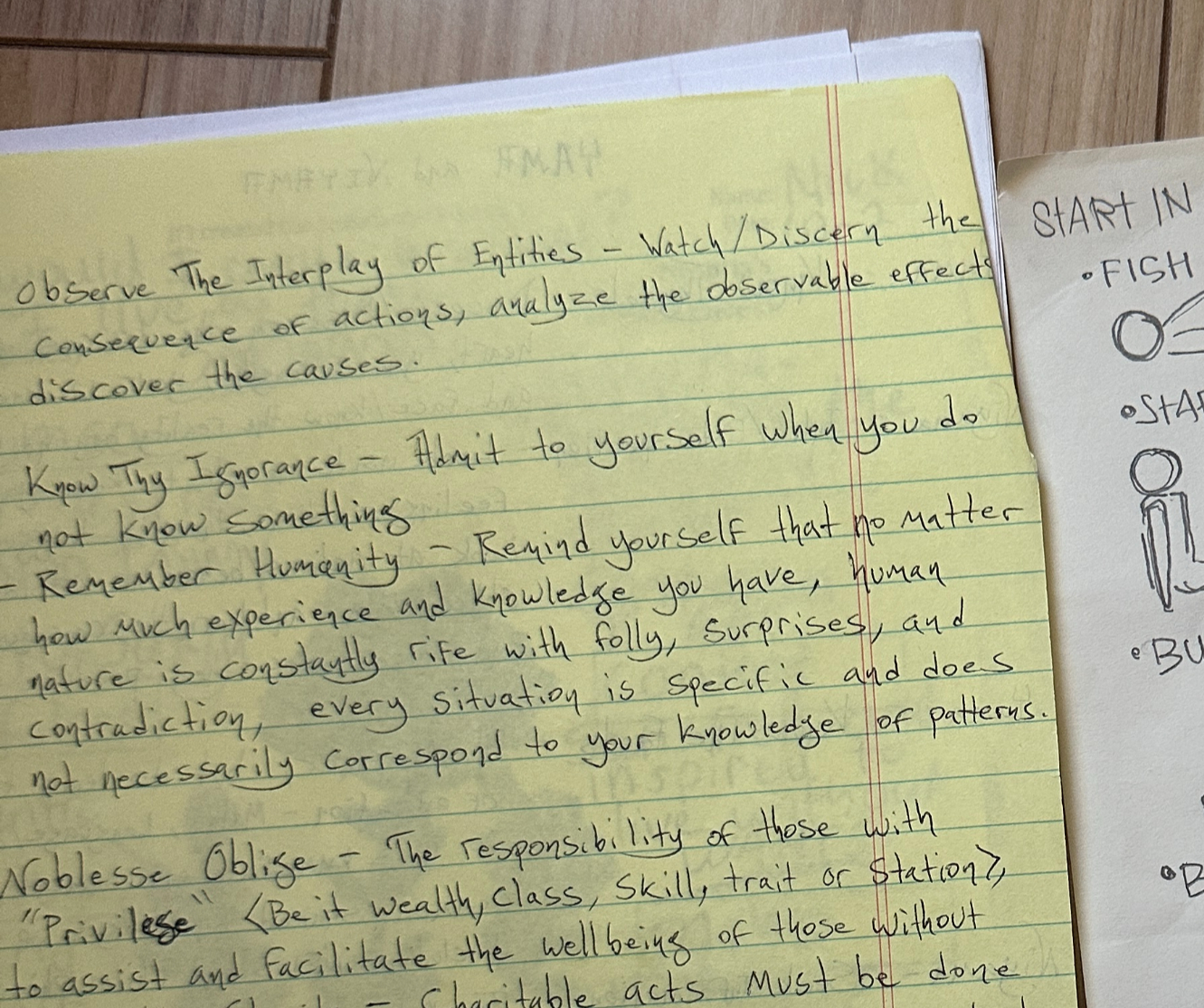
Ethical standards and sense of integrity, focusing on non-harmful intentions and truthfulness in daily interactions.
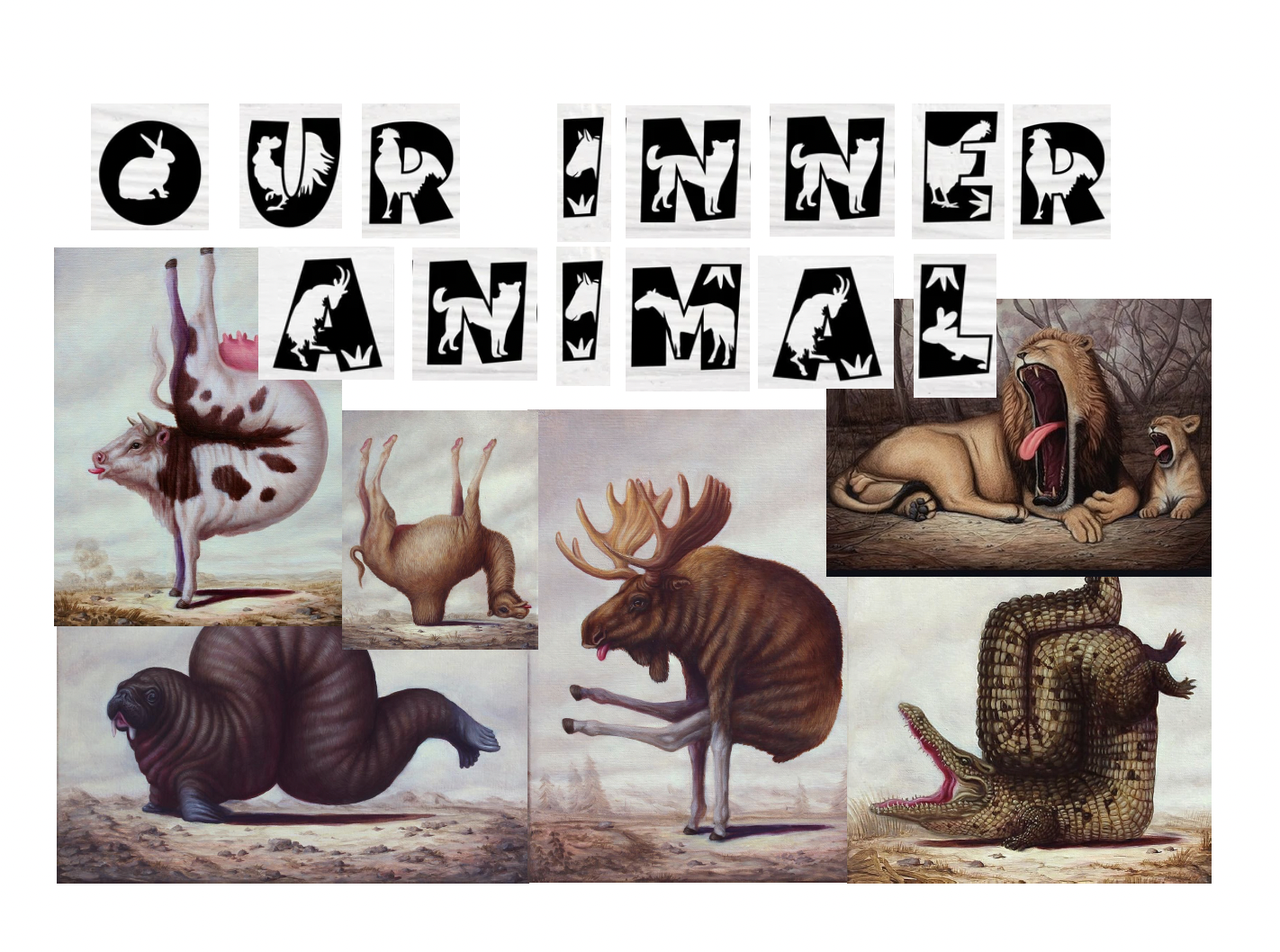
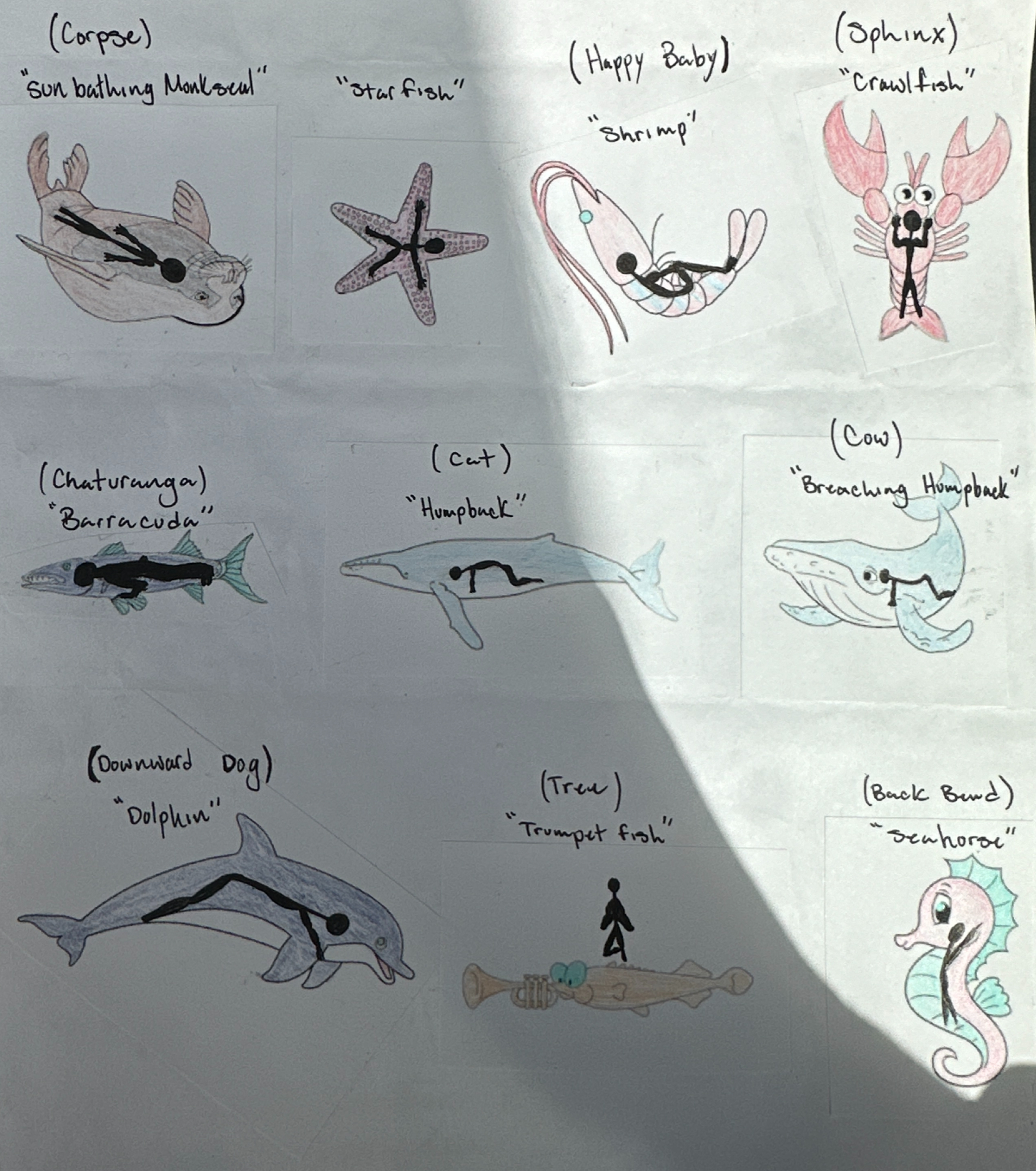
Spirit Animal Project includes reflecting on ones personal values, hobbies, and confrontational style and connecting with an animal most aligned.
2. Niyama
Self-discipline and spiritual observances, including cleanliness and contentment with one's journey.
Ensuring our space and materials are cleaned, identifying limitations and challenges we face.
3. Asana
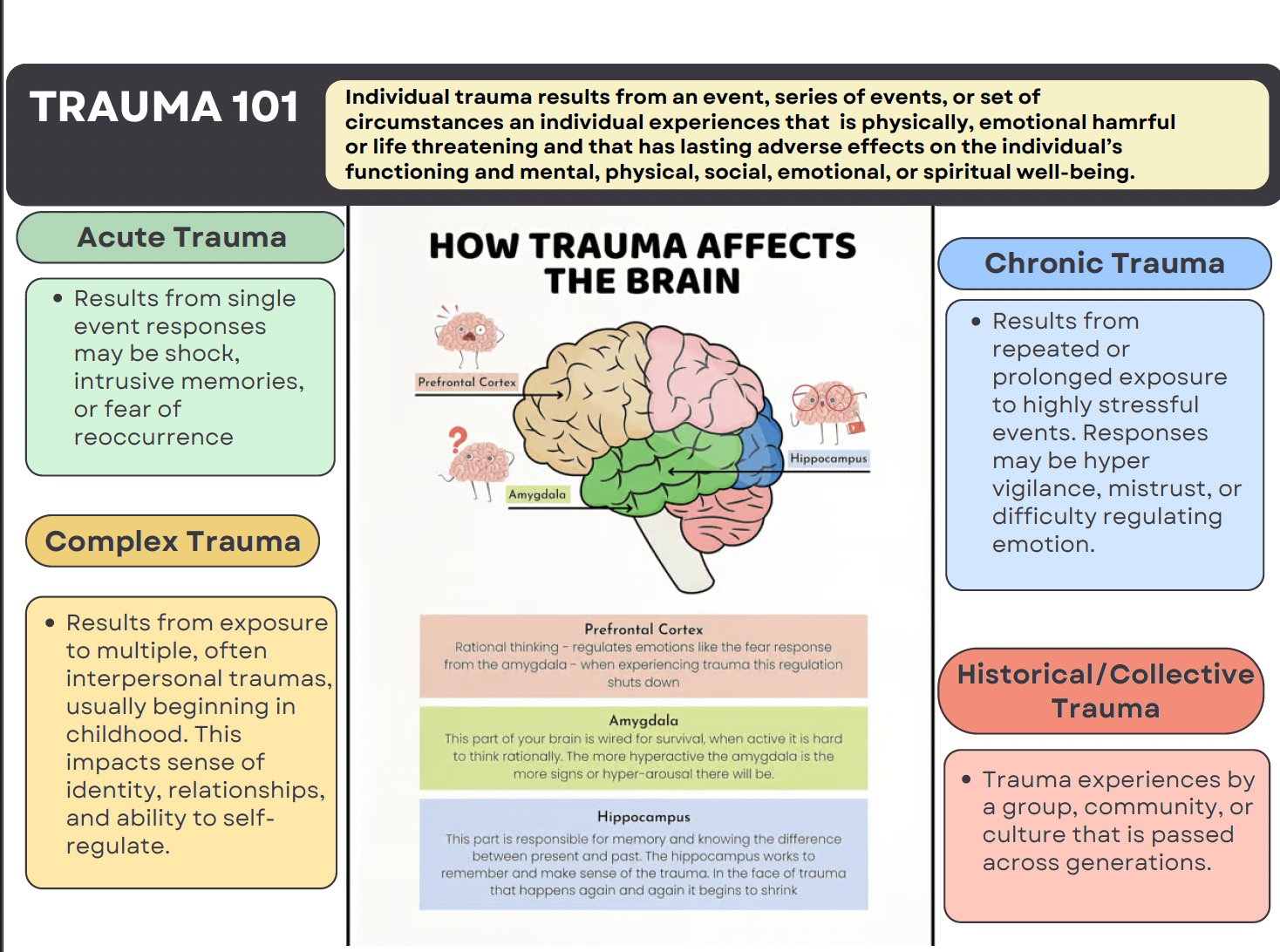
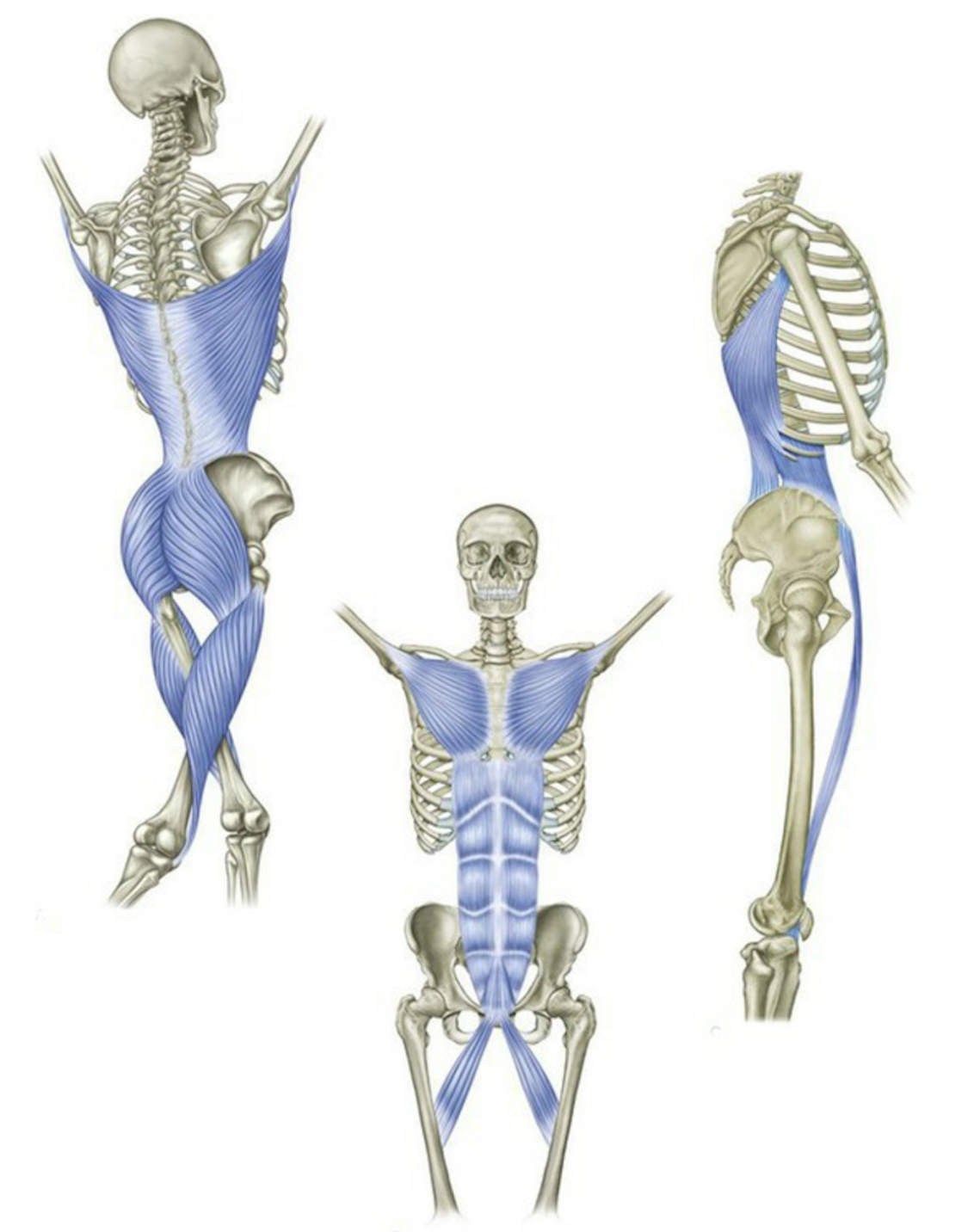
Physical postures practiced to develop discipline and concentration, essential for trauma recovery.
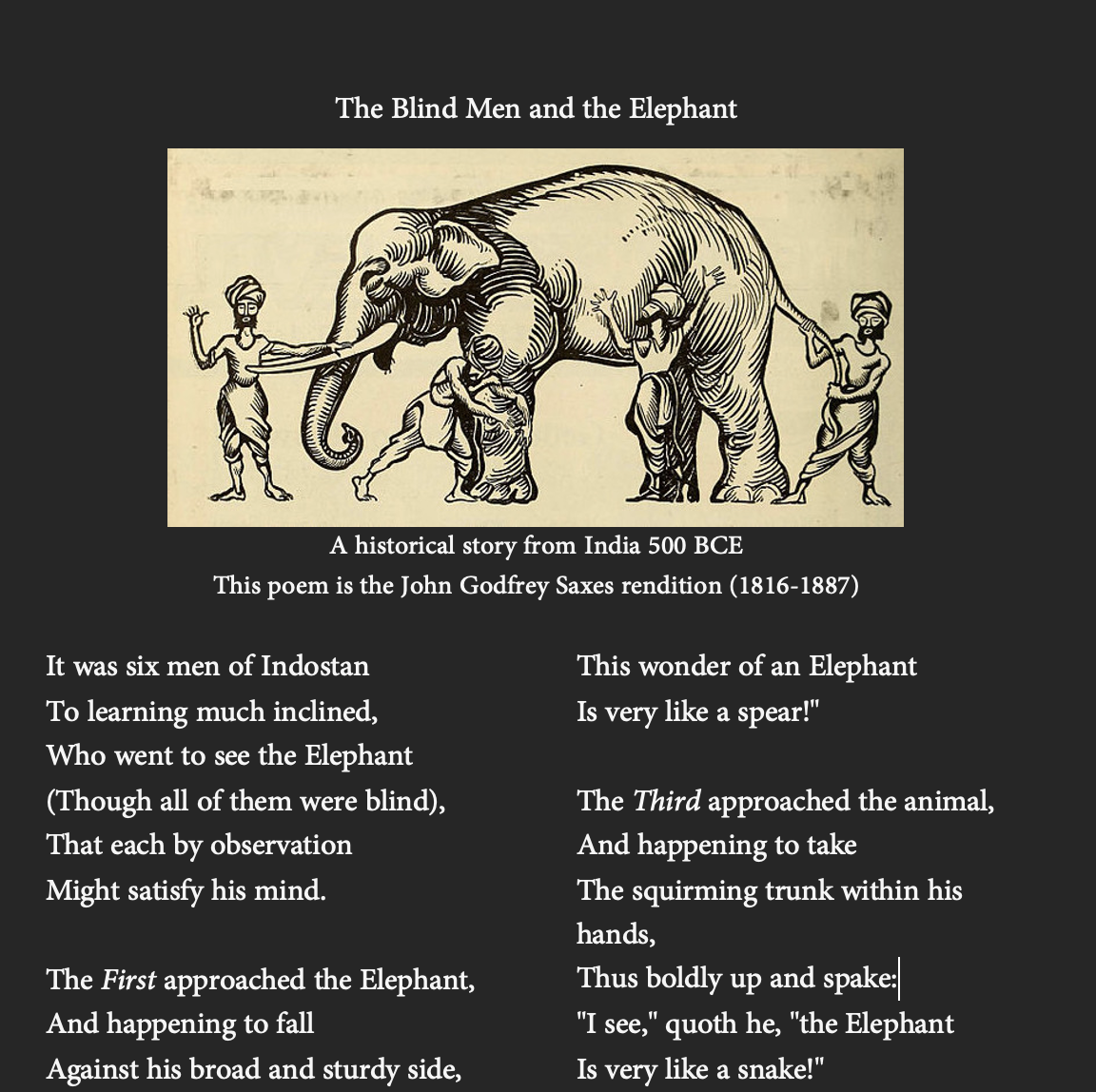
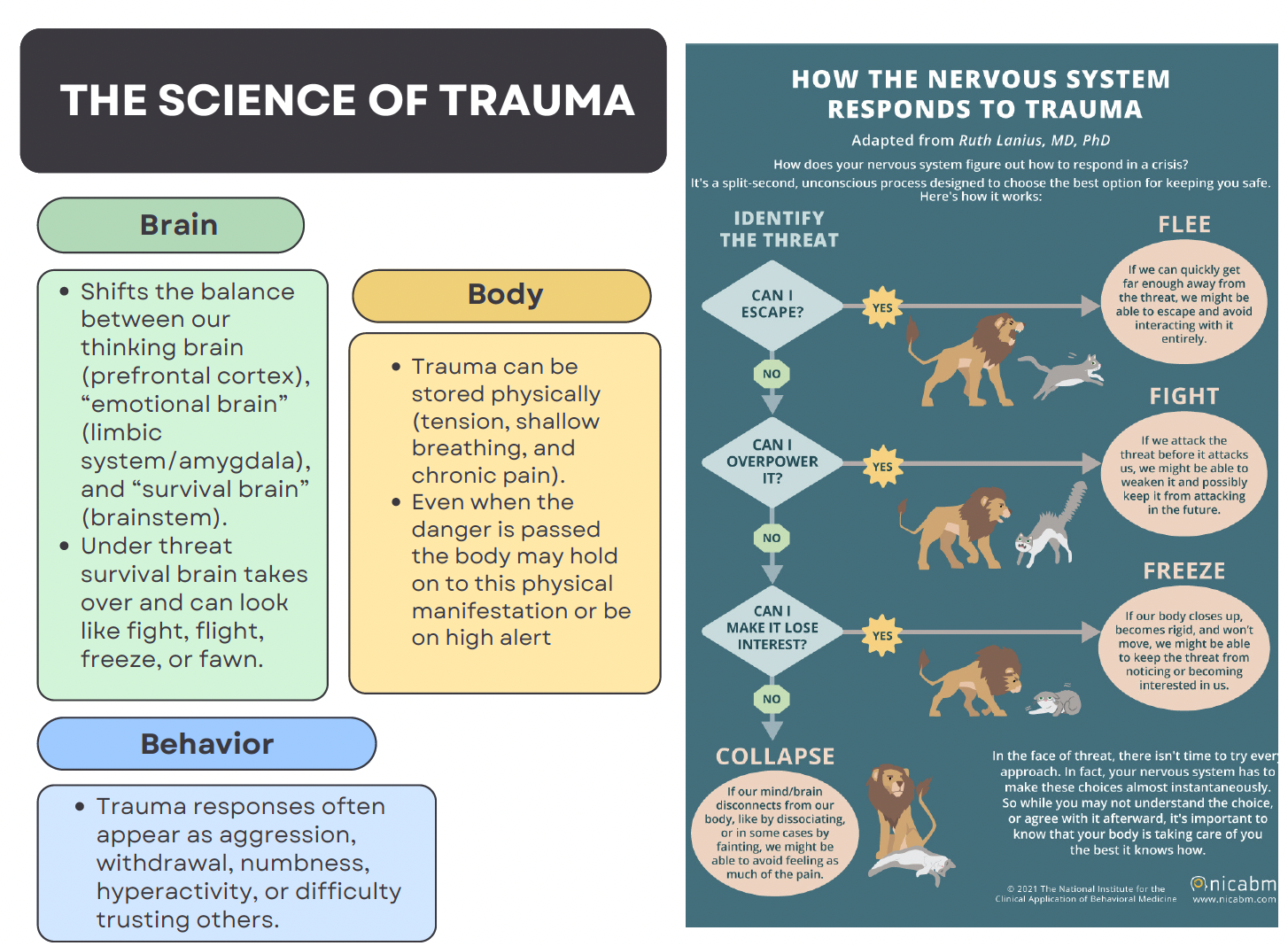
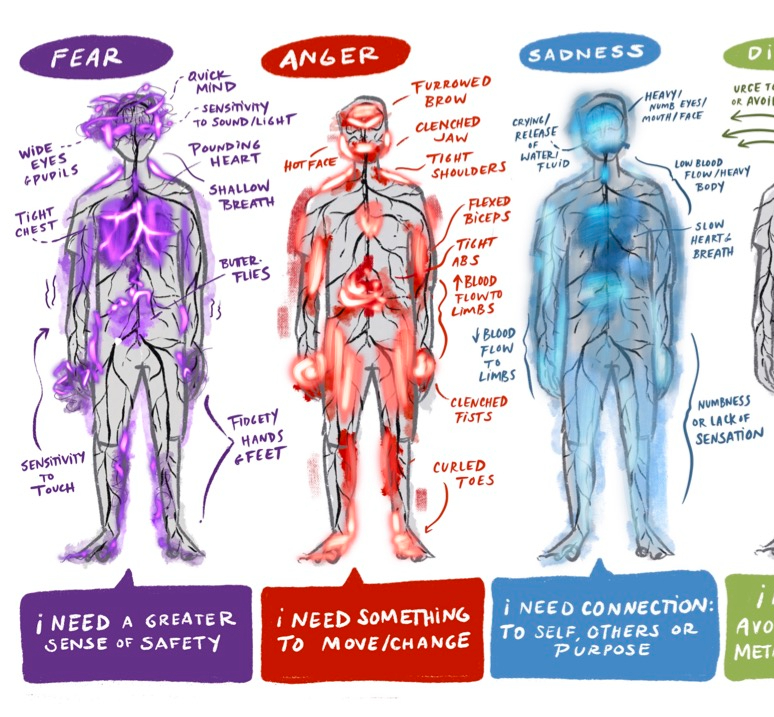
Observing and understanding our bodies response to challenges in both the mind & body
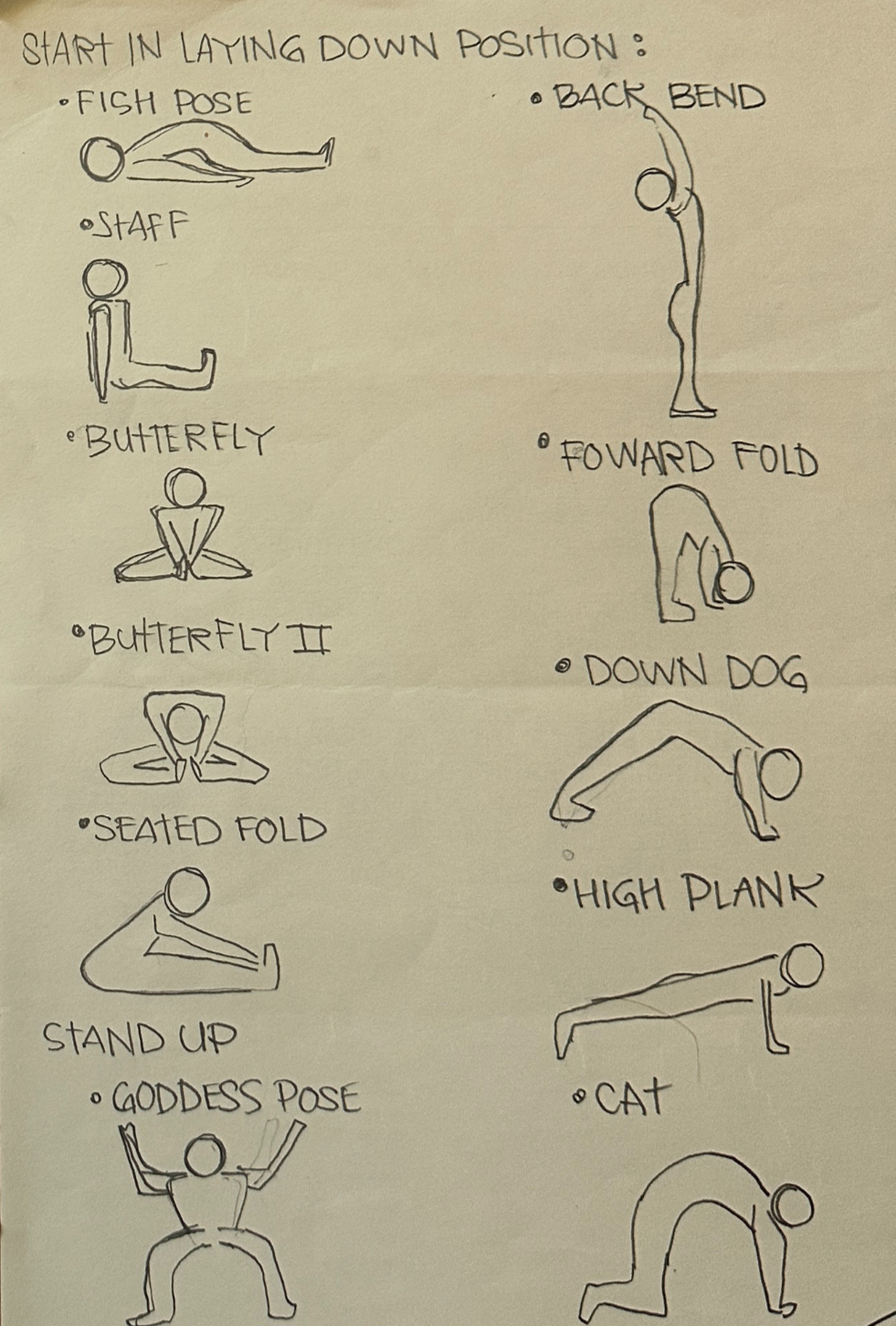
Gaining self-autonomy and bodily intuition through posture project where the students create their own sequence of poses that are meaningful to them.
4. Pranayama
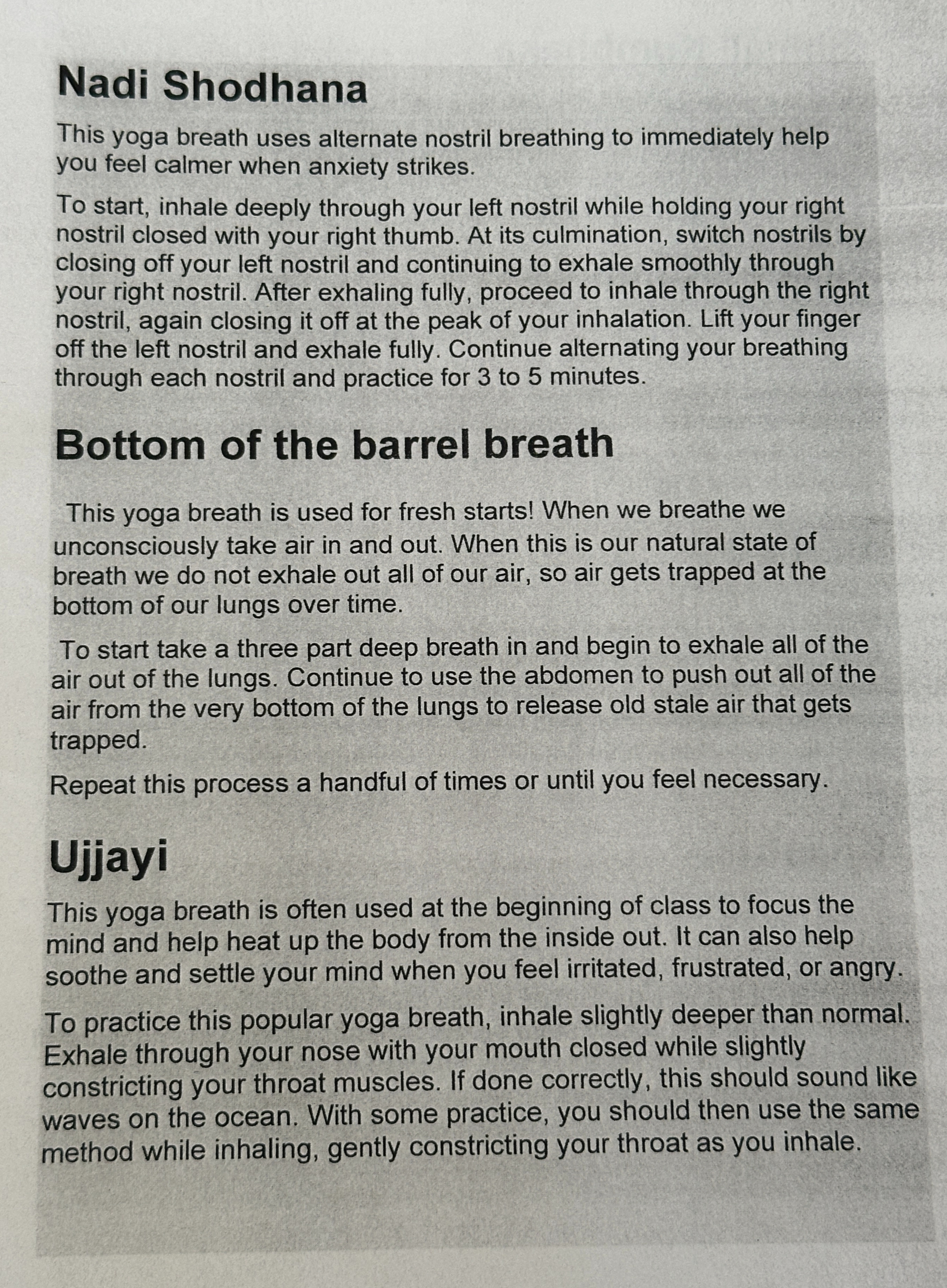
Breath control techniques to regulate the nervous system and connect the mind and body in high-stress environments.
Observing and understanding our breath response to high-stress situations and ability to alter that response.
5. Pratyahara
Withdrawal of the senses to cultivate internal awareness amidst the noise of correctional units.
Observing and focusing on our bodies senses to stay present and centered in a space, as well as noticing our thoughts and actions influenced by our senses.
6. Dharana
Concentration and focus, training the mind to remain steady regardless of external stressors.
Using balance postures to understand the minds ability to find a focal point both externally and internally.
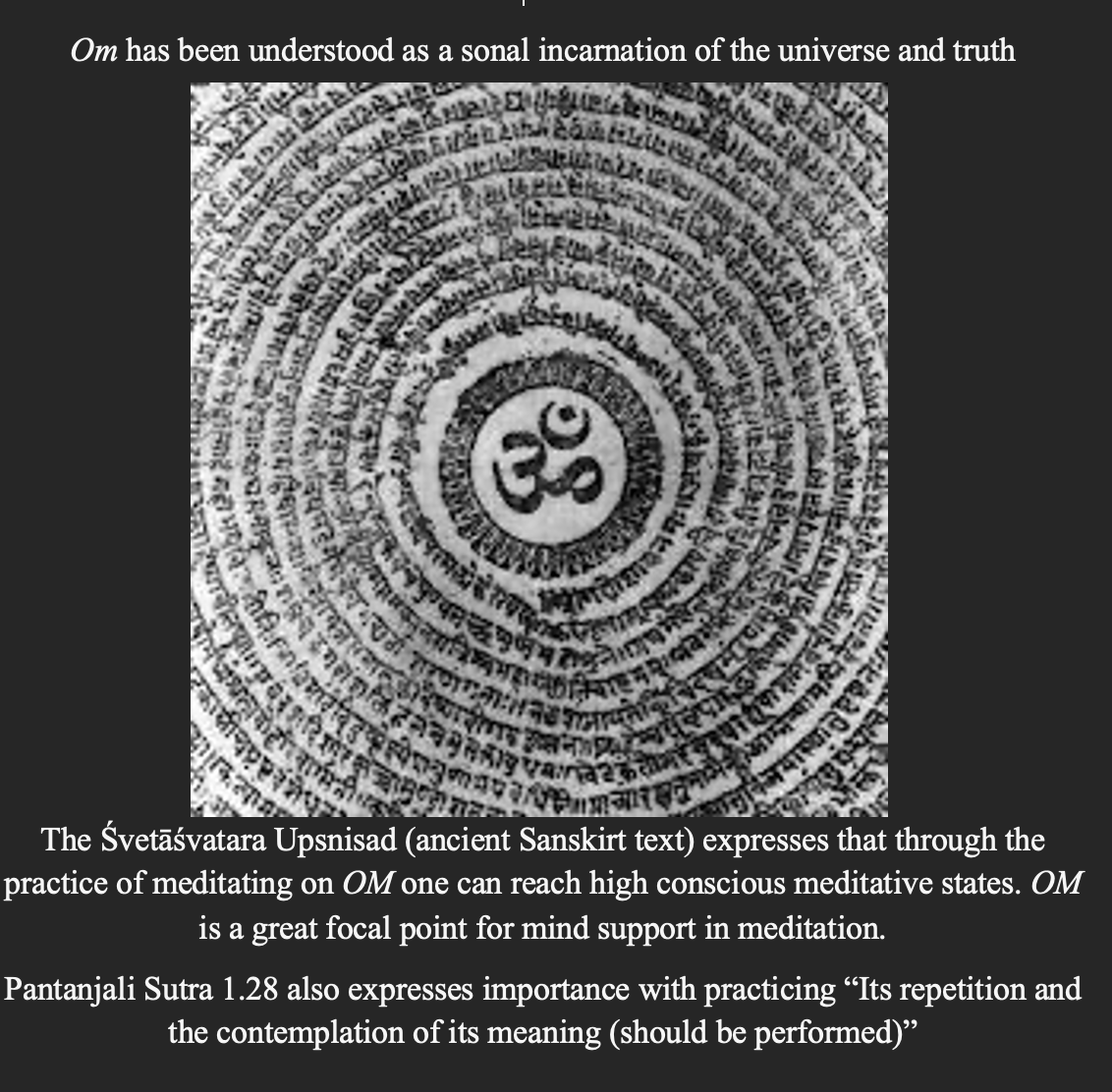
Practice various techniques to center the mind such all Om breath meditation or closed eyed meditation
7. Dhyana
Meditation or uninterrupted flow of concentration, fostering deep mental peace and clarity.
Spending longer periods of time in meditation throughout the course to become increasingly comfortable with the practice
8. Samadhi
State of integration, where the individual experiences oneness with the self and the collective.
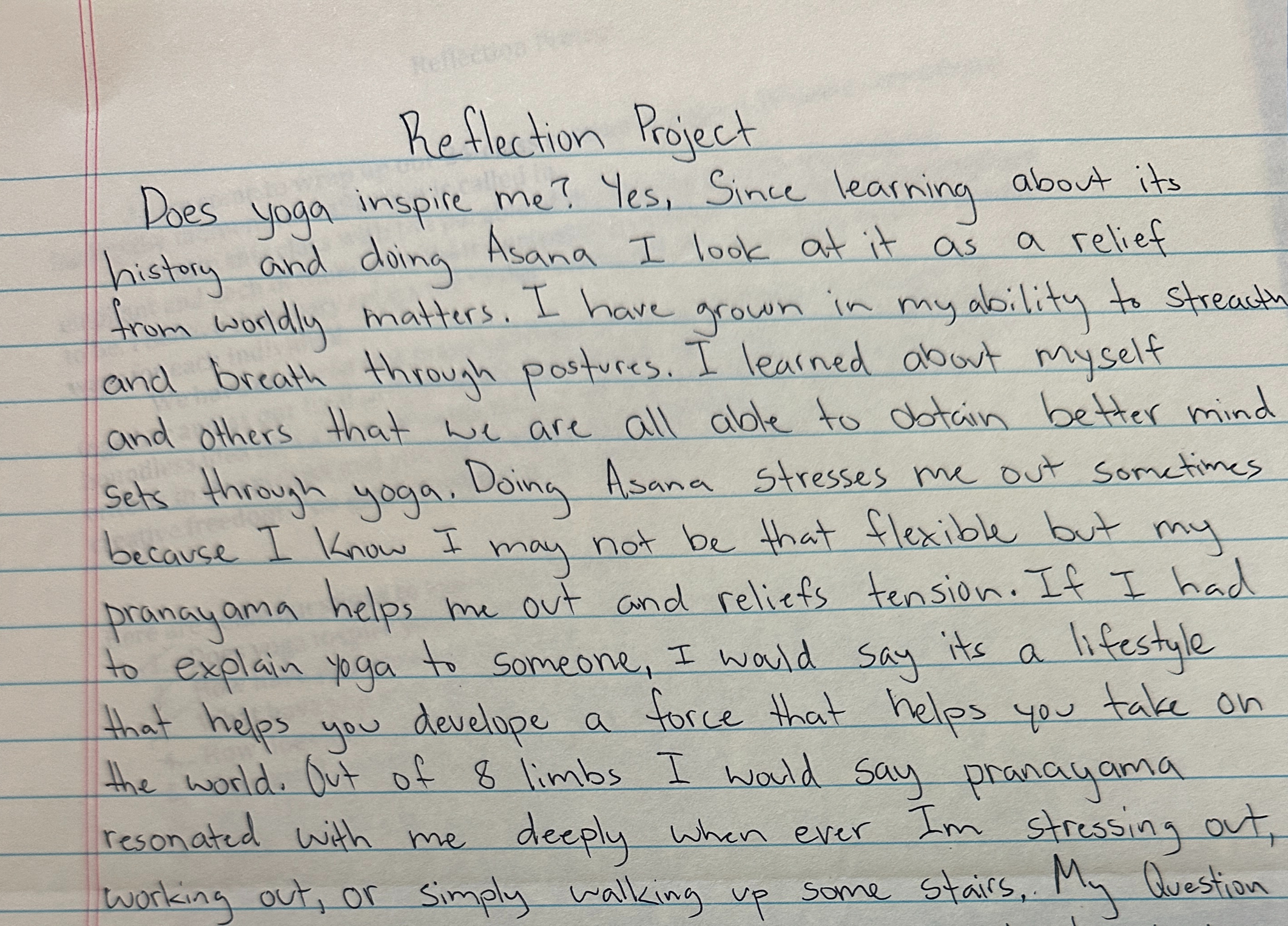
Reflecting over the course and many limbs interacting with each other to provide a deeper experience with life.